Choosing Your Dog
The Dogs I'd Take Home First: Mommas, Seniors, Black Pitties and the Rest of the Shelter's Overlooked
Published · By Jeff Molitor
Hard to adopt dogs include seniors, momma dogs, black pit bull mixes, cropped-ear dogs and medical cases. Here's why each one deserves a second look.
The short answer
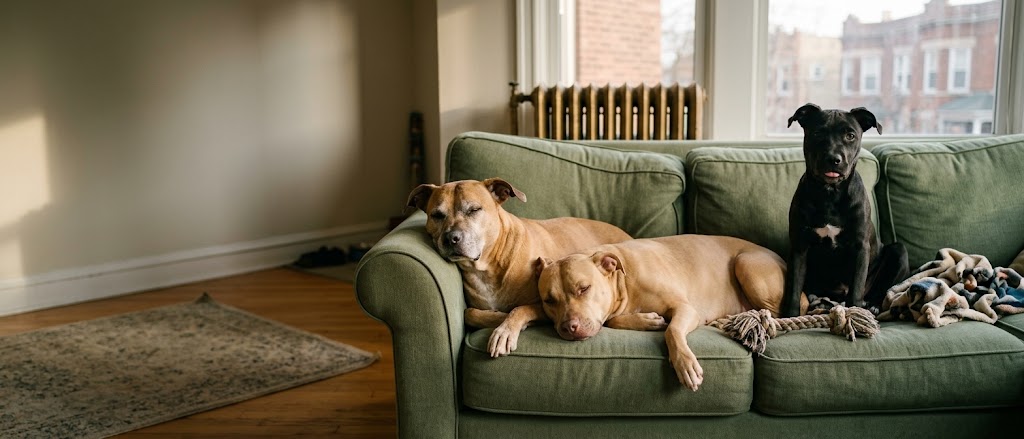
The shelter dogs least likely to be adopted are often seniors, momma dogs, black pit bull mixes, dogs with cropped ears and dogs with medical needs. In a Canisius College study of nearly 16,700 dogs, bully breeds stayed 2.5 to 3 times longer than average, while black dogs left faster than average. Most reasons adopters skip these dogs come from looks, age and cost, not behavior.
The dogs I'd take home first are the ones most adopters walk right past: momma dogs, seniors, black pitties, cropped ears and medical cases. Shelter folks call them hard to adopt dogs, and after years of Chicago kennel shifts I call them the best deal in the building. Every group gets skipped for a reason that sounds sensible in the aisle and falls apart the minute the dog leaves the kennel. This Let Them Be Dog post is 1 volunteer's biased defense of each one, plus what the first few weeks at home really look like.
Which Shelter Dogs Are Least Likely to Be Adopted, and Why?
Walk any shelter on a Saturday and you can watch it happen. The puppies get a crowd. The little white fluffball gets 3 applications before lunch.
Then people speed up. They pass the gray-muzzled guy, the mom with the saggy belly and the black pibble with the chopped ears. Nobody's being cruel. They're just shopping with their eyes.
The research backs up part of what I see. Christy Hoffman at Canisius College looked at adoption records for nearly 16,700 dogs at 2 Pacific Northwest shelters. Bully breeds stayed 2.5 to 3 times longer than the average dog, according to the Canisius College study release. Breed group and age mattered more than coat color.
Size piles on too. Hill's Pet Nutrition found big dogs wait about twice as long as small and medium dogs, which the 2026 shelter numbers we broke down make painfully clear. Stack a big frame, a few gray hairs and a pit bull label on 1 dog and you get my favorite kind of kennel neighbor.
Here's my problem with the skipping. Almost every reason is about how the dog looks in a concrete box. Very few are about how the dog acts on a couch.
So let's take them 1 at a time.
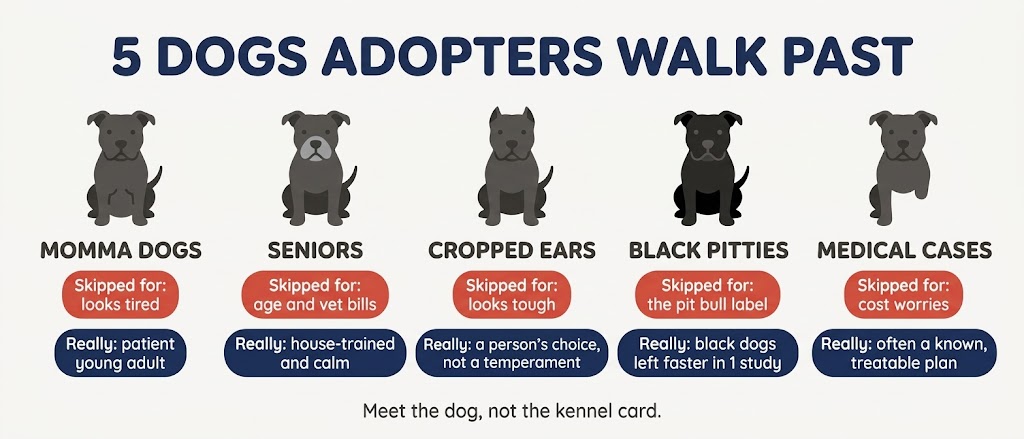
| Dog | Why People Skip Them | What's Actually True | Best Fit For |
|---|---|---|---|
| Momma dogs | Saggy belly and a tired face right after the puppies get adopted | Often a young adult who already handled a whole litter calmly | Quiet homes that can give her a sleepy recovery week |
| Senior dogs | Fear of a short time together and higher vet bills | Usually house-trained, done chewing and happy with short walks | People who want a low-key roommate and can budget for vet care |
| Dogs with cropped ears | Cropped ears look tough and hint at a rough past | Ear cropping is cosmetic surgery a person chose, and it says nothing about temperament | Adopters who judge a dog by behavior, not by a haircut |
| Black pit bull mixes | A pit bull label plus dark, muddy kennel photos | Black dogs left faster than average in the Canisius College study, so the breed label is the bigger hurdle | Active adopters who check their lease for breed and weight rules first |
| Medical cases | Fear of big costs and nonstop care | Many conditions, like heartworm, follow a known treatment plan | Calm homes with a vet budget and patience for follow-up visits |
Most reasons for skipping these dogs are about looks in a kennel, not behavior in a home.
Why Do Momma Dogs Get Passed Over After Their Puppies Go Home?
The puppies always go first. A whole litter can be gone in a weekend while mom sits in the back like the unpaid nanny.
And she does not photograph well that week. She's thin, her belly hangs and she's got the face of someone who hasn't slept since spring. Adopters glance in and think “old” or “worn out.”
She's usually neither. Plenty of momma dogs are barely out of puppyhood themselves. She just spent 2 months as a 24-hour diner and a jungle gym, inside a loud building, and she didn't lose her cool once.
That's the part people miss. A momma dog has already passed the hardest temperament test I can think of. Tiny teeth, nonstop crying and zero personal space, all at once.
Most moms get spayed before they go home, so expect a sleepy recovery week. After that the belly tightens up a lot, appetite comes back and a real personality shows up. Sometimes it's a goofball. Sometimes it's a couch potato who's earned it.
If you're not sure, foster her first. Fostering a dog through the in-between weeks gives a mom a quiet room to recover in and gives you a sneak peek.
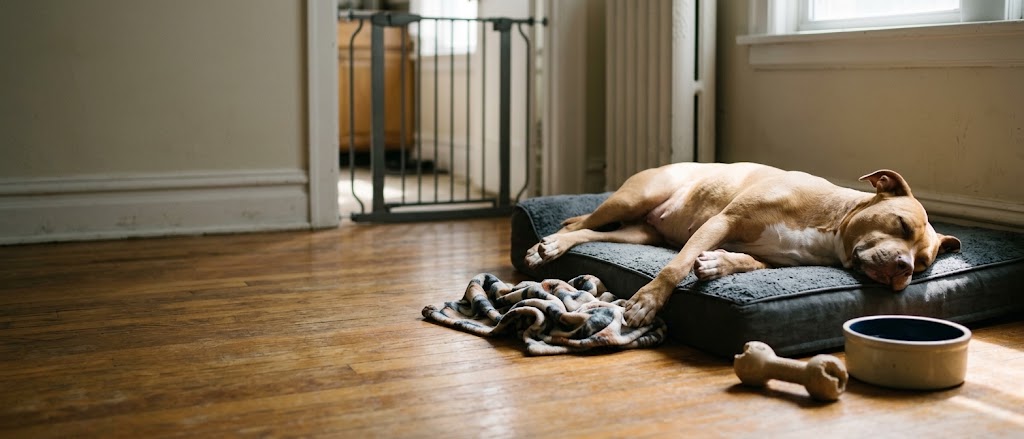
Bringing home a tired momma dog? Start with our first 2 weeks of hush for a worn-out new dog and let her sleep off the litter.
Are Senior Shelter Dogs Worth Adopting?
The biggest worry with a senior is a broken heart. Fair enough. But every dog breaks your heart eventually, and a senior is just honest about the timeline. You trade a few years for a dog who skips the chewed baseboards and the 3 AM potty runs.
Seniors are also the least mysterious dogs in the building. Most have lived in homes, so the TV, the doorbell and the toaster are old news. Many seniors settle in within days because they're adjusting to new people, not to houses.
Hoffman's Canisius study found age mattered more than coat color for how shelter dogs did. That matches every adoption showing I've ever helped at. The gray muzzle scares people way more than it should.
Now the honest part. Older dogs can come with bad teeth, lumps, stiff hips or cloudy eyes. Ask for the medical records and a rough idea of what's coming. The real price of vet care for an older dog deserves a line in your budget before you sign anything.
What you get back is a dog who's done being a teenager. Short sniffy walks, long naps and a whole lot of leaning on your legs.
Why Do Adopters Get Nervous About Dogs With Cropped Ears?
I'm a sucker for cropped ears. Something about a big, goofy pit mix with little stubby ear triangles just gets me.
Adopters see something else. They see a “tough” dog, maybe a guard dog, maybe something worse. A crop reads like a résumé for a past the dog never applied for.
Here's what the ears actually tell you: a person made a choice. Ear cropping is cosmetic surgery, and the American Animal Hospital Association's position statement says AAHA opposes it for cosmetic or breed standard reasons. AAHA first adopted that stance in 1993 and last revised it in June 2021, and it asks member vets to stop doing the procedure.
Some crops look clean and old. Others look homemade. Either way the dog didn't pick the haircut.
Sometimes a cropped dog did come from a rough place. That's when you watch the dog, not the ears. Kennel stress makes plenty of nice dogs look wild, and the way a dog acts behind a kennel gate is a terrible preview of the dog at home.
1 practical tip. Cropped ears don't move as much, so a cropped dog's mood is harder to read up top. Watch the tail, the mouth and how loose the body looks instead.
Cropped ears or not, every new dog learns faster with a game. Try our easy reward games for a dog you're still getting to know.
Is Black Dog Syndrome Real for Black Pit Bull Mixes?
Black pibbles are my weakness, so I went looking for proof that the world is unfair to them. The data surprised me.
“Black dog syndrome” is the idea that dark dogs get adopted slower. In Hoffman's study, black dogs actually left faster. At 1 shelter they averaged 6.5 days against a 7-day average, and at the other it was 9 days against 10.5.
So the black coat isn't the main problem. The pit bull part is. Bully breeds were “much more likely to be euthanized than dogs belonging to other breed categories,” the Canisius release said.
The label itself does damage too. Arizona State University researchers found pit-bull-type dogs were adopted 52% of the time with the breed on the kennel card. Once the label came off, that rose to 64%, as Newsweek reported on the breed label study. Without labels, people rated photos of those dogs and their lookalikes as equally attractive.
That fits what I've seen with guesswork breed tags, which is why skipping breed labels and meeting the dog makes so much more sense.
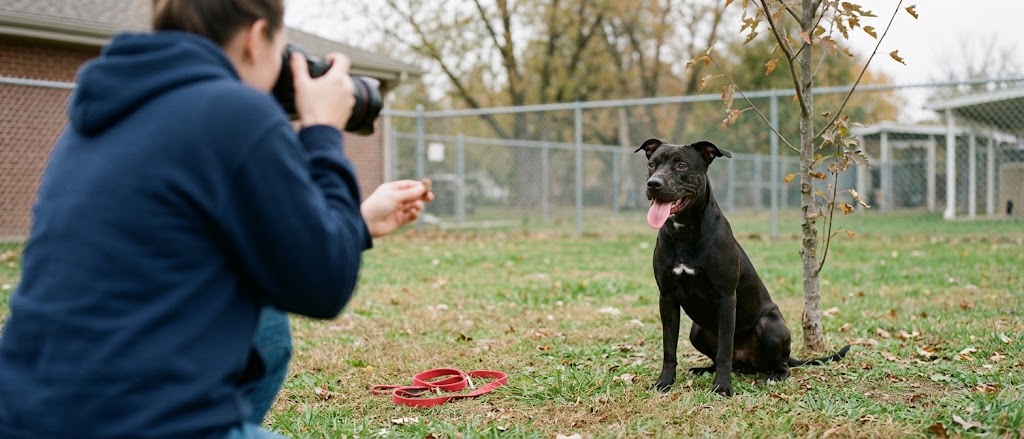
There's a practical problem too. Black dogs are hard to photograph in a dim kennel. They turn into a dark blob with 2 shiny eyes, and nobody clicks on a blob.
Take a black dog outside in shade or soft side light and suddenly there's a face. Eyebrows, freckles, a tongue that's always out a little. If a shelter's listing photo looks muddy, ask to meet the dog anyway.
Should You Adopt a Shelter Dog With Medical Needs?
“Medical case” on a kennel card scares people off faster than a growl. It shouldn't, at least not automatically.
The medical dogs I meet usually fall into a few buckets. Heartworm-positive dogs, itchy skin dogs and tripods. Dogs with a healed break, 1 eye or a lump that's already been checked.
Heartworm is the big one. The American Heartworm Society's guide for owners says most infected dogs can be successfully treated. The group says heartworm has been diagnosed in all 50 states, so this isn't some rare thing.
The hard part of heartworm treatment is the rest. Exercise has to be restricted, and the dog gets retested about 9 months after treatment ends. Keeping a 2-year-old pittie calm for weeks is harder than any shot.
Skin dogs are my sleeper pick. They look rough in the kennel, all bald spots and pink skin. Give them a few weeks of treatment, good food and a quiet house and some of them grow a whole new coat.
Tripods mostly don't know they're missing anything. Honestly they're often faster than me.
Ask the questions before you fall in love. What's been treated, what's still pending and what follow-up visits cost. Ask what the shelter covers after adoption too, then budget for the gear a recovering dog needs, like a sturdy crate and a no-slip rug.
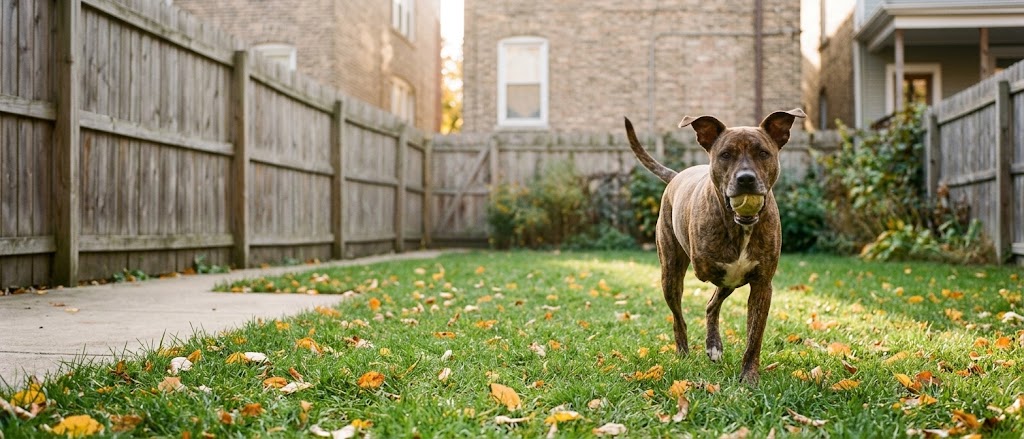
Bringing home a dog on vet-ordered rest? Our puzzle feeders and calm brain games for dogs who can't run yet keep a cooped-up pittie from eating the couch.
What Makes an Overlooked Dog a Good Match for Your Home?
None of this means every overlooked dog fits every home. A senior with bad hips and a 4th floor walk-up is a lousy combo. So is a heartworm dog and a family that can't keep a dog calm for a month.
The match is about your life, not the dog's looks. Think about your stairs, your lease, your work hours and your wallet. Then think about what you actually want to do with a dog on a Tuesday night.
Most of the good info isn't on the kennel card. Ask for it. These are the 5 questions I'd ask at any shelter.
- What is this dog like outside the kennel, in a yard or an office?
- Which volunteer knows this dog best, and can I talk to them?
- What medical history comes with the dog, and is anything still pending?
- How has the dog done with other dogs, cats or kids?
- Can I come back for a second visit or a longer walk before deciding?
Volunteers are your secret weapon here. We walk these dogs every week, and we know who leans, who snores and who steals socks. We're different than staff in 1 way: we usually have time to chat.
Then check your lease before you fall for a big pittie. Breed and weight rules knock out more good matches than any behavior problem I've ever seen.
What the First Few Weeks Look Like With Each Dog
None of these dogs come with a manual, but each of them have a pattern I see over and over. Whatever dog you bring home, the basics stay the same: quiet house, boring routine and a calm, dim first night. Here's what changes by type.
Momma Dogs Sleep It Off
The first week is mostly napping. She may still be healing from her spay and looking for puppies that aren't there. Feed her well, keep visitors low and let her pick a corner. Around week 3 the personality starts walking in.
Seniors Want a Routine
Seniors like the same walk, the same bowl and the same time. Put rugs on slick floors and book a vet visit in the first couple weeks. Expect some leaning, some snoring and maybe a little hearing loss you'll mistake for attitude.
Cropped Ears, Same Dog
There's nothing special about a cropped dog's first weeks. Run the 2-week quiet-house routine like you would for any rescue. Learn the tail and mouth signals, since the ears won't tell you much.
Young Pitties Need Jobs
Many black pit mixes in shelters are big, bouncy young adults. Give them short training sessions, sniff walks and chew toys every day. A bored pittie will invent a job, and you won't like it.
Medical Dogs Need Calm
Follow the vet plan to the letter, even when the dog feels great. Heartworm rest means leash-only potty breaks, and it's harder on you than on the dog. Puzzle feeders and lick mats save everyone's sanity.
| Dog | Weeks 1 and 2 | Weeks 3 to 6 | Have Ready |
|---|---|---|---|
| Momma dog | Lots of sleep, spay recovery and maybe some searching for puppies | Appetite and personality show up as her body recovers | A soft bed in a quiet corner and good food |
| Senior dog | Learns the layout and the daily routine | Leaning, snoring and favorite nap spots settle in | Rugs over slick floors, a vet visit and maybe a ramp |
| Cropped-ear dog | The same quiet decompression as any rescue | You learn to read the tail, mouth and body instead of the ears | Treats for short training games |
| Young black pit bull mix | Short sniff walks and simple house rules | More energy and opinions as comfort grows | Chew toys, puzzle feeders and a sturdy harness |
| Medical case | Follow the vet plan exactly, including any rest orders | Follow-up visits and slow return to normal activity if the vet allows | A crate, lick mats, a no-slip rug and the treatment records |
Every dog runs on its own clock. Follow your vet's plan for any medical case, even when the dog feels great.
The Overlooked Dogs I Keep Rooting For
I adopted my first dog at 39 (Cooper Wonder). Now it's Oscar Wonder, my pibble, and Gary Wonder, our cat. I've volunteered with Chicago shelter dogs since 2017, first at The Anti-Cruelty Society and now at Chicago Animal Care and Control.
Ask for the Dog at the End of the Row
Next time you're at a shelter, ask who's waited longest and meet that dog first. Then grab the Let Them Be Dog guides for life with a newly adopted dog before pickup day.
Common questions
Is it safe to adopt a dog that had heartworm?
Adopting a dog that had heartworm is usually safe once treatment is finished and a vet confirms the plan. The American Heartworm Society says most infected dogs can be treated successfully. A treated dog still needs a retest about 9 months after treatment ends. Year-round heartworm prevention keeps the dog from getting infected again.
Why do some pit bulls have cropped ears?
Some pit bulls have cropped ears because a past owner chose cosmetic surgery to change the dog's look. Ear cropping does not change a dog's temperament or make a dog more aggressive. Shelters cannot undo a crop, and many cropped-ear dogs arrive as strays with no known history. The American Animal Hospital Association opposes cosmetic ear cropping.
Do momma dogs make good pets after their puppies are weaned?
Momma dogs often make calm, gentle pets once their puppies are weaned and their bodies recover. Most shelters spay a momma dog before adoption, so the first week home may be quiet and sleepy. A momma dog's saggy belly usually shrinks over the following weeks. Many momma dogs are young adults with plenty of good years ahead.
What is a long-stay dog at a shelter?
A long-stay dog is a shelter dog who has waited much longer than most dogs for adoption, often for months. Each shelter sets its own cutoff for calling a dog long-stay. Seniors, big adult dogs and pit-bull-type dogs often end up on long-stay lists. Many shelters feature long-stay dogs on social media or lower their adoption fees.
Do shelters charge less to adopt senior or long-stay dogs?
Many shelters lower or waive adoption fees for senior dogs and long-stay dogs, though policies change often. Some shelters run fee-waived adoption events, especially when kennels are full. Asking the front desk or checking the shelter's website shows current fees. A lower fee still comes with the same adoption screening and paperwork.
How old is a senior dog at a shelter?
A senior dog at a shelter is often a dog 7 years or older, though each shelter sets its own cutoff. Large dogs often count as seniors sooner than small dogs, since big dogs tend to age faster. A senior label describes age, not energy. Many 8-year-old pit bull mixes still want 2 walks a day and a squeaky toy.
About the Author
I’m Jeff Molitor and I adopted my first dog at 39 (Cooper Wonder) and have volunteered with Chicago shelter dogs since 2017, first at The Anti-Cruelty Society and now at Chicago Animal Care and Control. I help with dog handling, agility, adoption showings and support, photography and marketing. I love all dogs, but I gravitate toward momma dogs, seniors, black pibbles and the ones with cropped ears. Basically whoever’s been overlooked the longest. Jeff is dad to Oscar Wonder (pibble) and Gary Wonder (our cat).
This article shares what we have learned from our own experience. It is not medical advice, and we are not veterinarians. If you have any concerns about your dog's health, please check with your vet.