Meeting and Choosing a Shelter Dog
What "Dog Selective," "Needs an Experienced Home" and Other Shelter Dog Labels Actually Mean
Published · By Jeff Molitor
Shelter dog labels like 'dog selective' and 'needs an experienced home' are shorthand, not verdicts. Here's what each one means and what to ask staff.
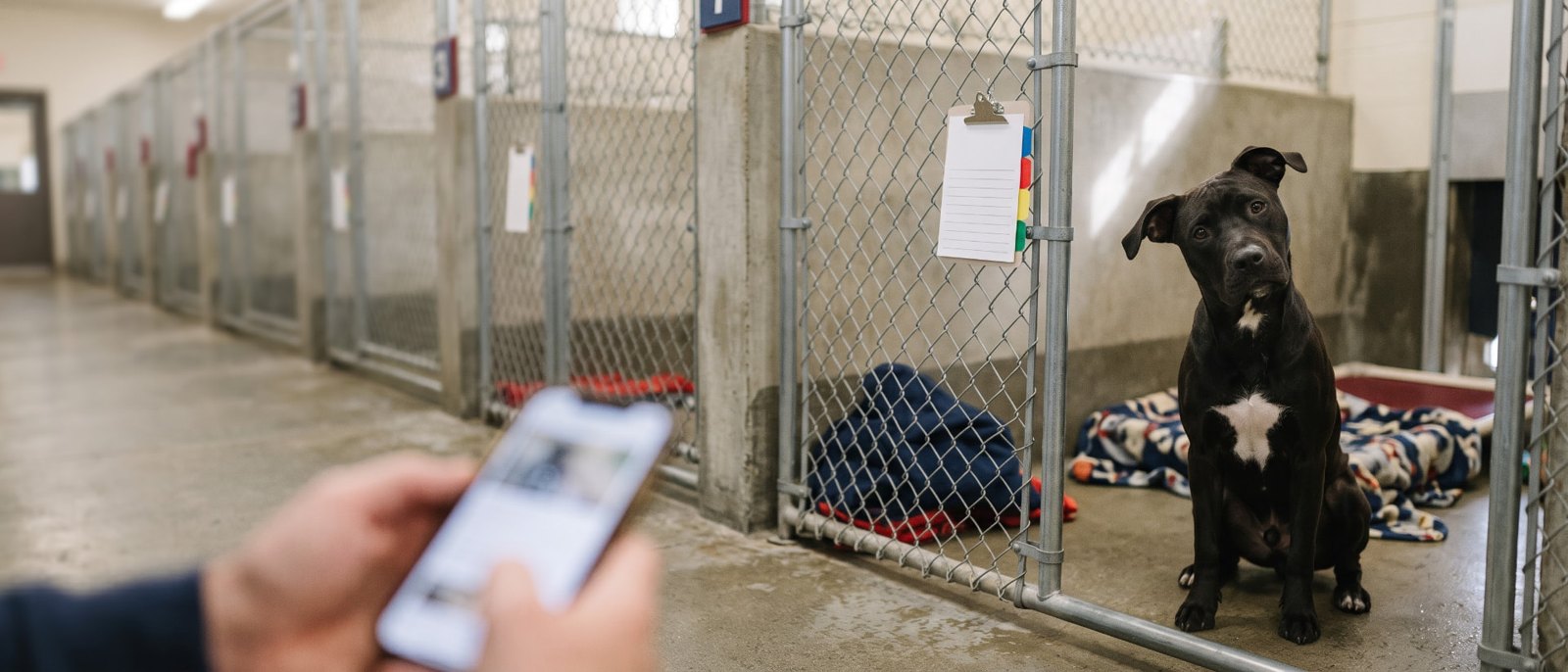
The short answer
"Dog selective" on a shelter dog's profile means the dog gets along with some dogs but not every dog. A dog selective label describes a picky social style, not a dangerous dog or a dog who hates all dogs. Adopters with a resident dog should ask shelter staff which playmates the dog liked and what those dogs had in common.
Shelter dog labels like "dog selective" and "needs an experienced home" are shorthand for a longer story, not a final verdict. Staff write them fast, for each other, while 40 dogs bark at once, and then you walk up and read "no cats" like it's a rap sheet. This Let Them Be Dog post translates the common ones: what staff mean, what they don't and what to ask before you walk past.
What Does "Dog Selective" Mean on a Shelter Dog's Profile?
"Dog selective" is my favorite label to translate, because it describes most of us. I like some people. I hide from others at parties. Nobody tapes a warning to my door about it.
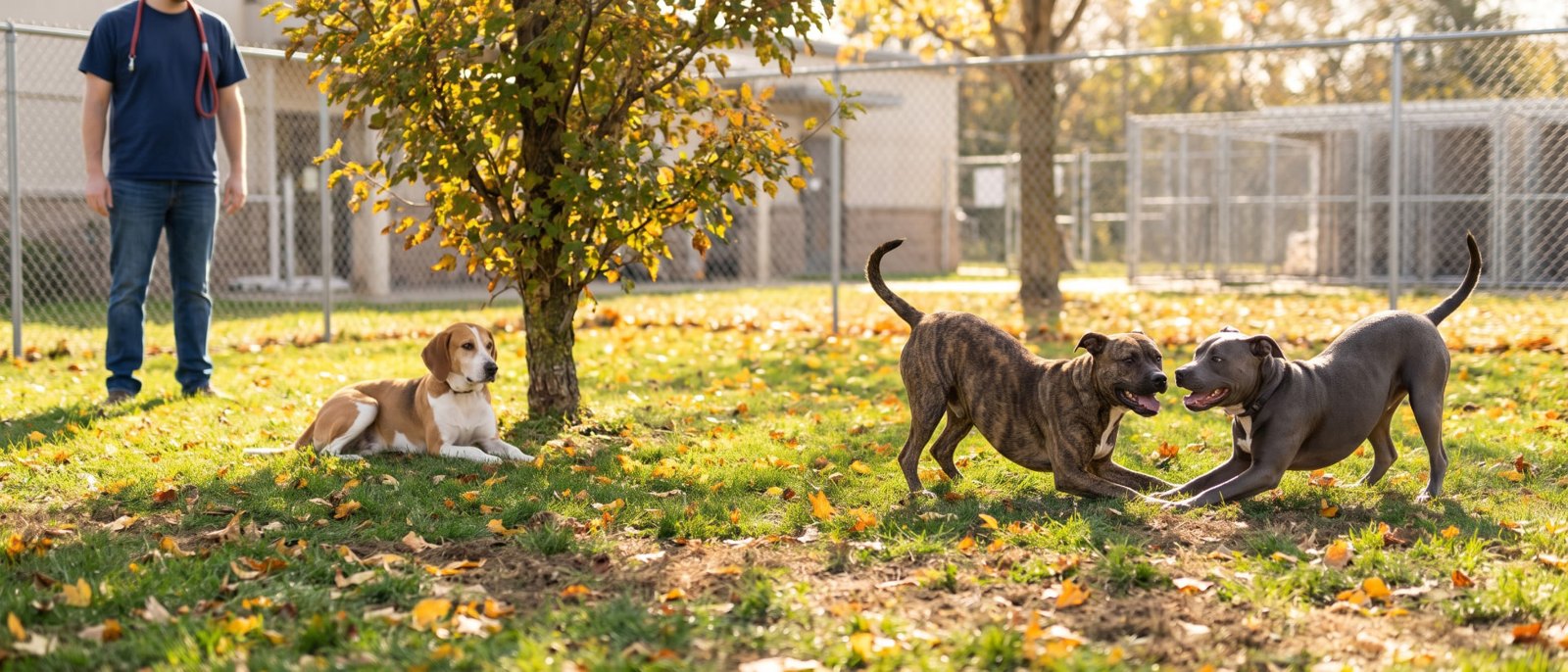
Lots of shelters run playgroups, where staff turn dogs out together in a yard and watch. Dogs who like everybody get called dog friendly, and dogs who like some get called dog selective.
So here's what staff usually mean. The dog did great with certain dogs, maybe a mellow female or a dog who doesn't body slam. Then a pushy dog came in hot, and your dog said "no thank you" in a voice everyone could hear.
Here's what it doesn't mean. It doesn't mean dog aggressive, and it doesn't mean the dog can't live with another dog. Honestly, the dog who loves every single dog is the unusual one. Grown dogs get choosier with age, the same way you quit 3 AM house parties.
The question to ask: "Which dogs has she gotten along with, and what did those dogs have in common?"
Listen for size, energy, play style and sex. If you have a dog at home, ask for a staff-run meet on neutral ground. A dog selective dog who picks your dog is just a dog with good taste.
Why Do Shelter Dog Labels Exist in the First Place?
Kennel cards started as ID tags, built to keep the right dog in the right run. A 2019 HumanePro feature on kennel cards found many shelters still use internal jargon that helps staff and tells adopters very little.
Kristen Hassen-Auerbach, then director of Pima Animal Care Center in Tucson, remembered cards reading "no dogs," "no cats" and even "no chickens." Those words stopped adopters cold. "It's never as simple as 'no dogs,' 'no cats,'" she told the magazine.
The notes behind labels are shakier than they look, too. In 2016, Gary Patronek and Janis Bradley published a paper in the Journal of Veterinary Behavior titled "No better than flipping a coin." Their argument: when a formal shelter behavior test flags a dog, the flag is often wrong about that dog at home.
Noise, bleach and no sleep turn nice dogs weird, which is why a dog acts unhinged behind a kennel gate. Labels still keep staff safe and steer the first match. They tell you where to start asking, not where to stop.
Already falling for a dog with a label on the card? Our quiet first-2-weeks plan for any new dog works whether the card said "dog selective" or nothing at all.
What Does "Needs an Experienced Home" Really Mean?
This is the vaguest label on the card. It's a junk drawer for anything that needs a little extra handling.
Jumping lands in there, along with hard leash pulling, sleeve grabbing and treating a 4-foot fence as a suggestion. Sometimes it just means "this dog weighs 70 pounds and has never heard the word sit." That's a project, not a warning.
It doesn't mean you need 6 past dogs or a trainer's certificate. "Experienced" really points to habits: consistency, patience, treats in every pocket and calling a trainer before things get weird.
So ask this, nearly word for word: "What would an experienced person do with this dog that I wouldn't know to do?"
If the answer is "keep him off the counter," you can learn that by Thursday. If it's "manage a dog who snaps when someone touches his paws," that's a different conversation, and an honest one about your schedule.
A few sessions with a reward-based trainer can turn an "experienced home" dog into a regular dog. Check what a trainer and the rest of dog life cost before you sign.

Does an "Only Dog" Label Mean the Dog Hates Other Dogs?
Picture a whole day in a run while other dogs parade past your gate. You can see them but not sniff them. Eventually you start yelling.
That's barrier frustration, and it's everywhere in shelters. A Pet Professional Guild article on shelter playgroups explains that dogs frustrated by a fence often play just fine with other dogs off leash. It also says even professionals can't reliably tell frustration from real aggression through a fence or on a leash.
The result, the same piece says, is that lots of these dogs get labeled dog aggressive. Some land in only dog homes and never hang out with their own species again.
So "only dog" could mean a real fight. It could mean a dog who guards toys from other dogs, or one who lost it on a leash in the hallway once and never got tested again.
It doesn't mean the dog can never pass a dog on the sidewalk, or that the dog is unsafe with people. And some dogs truly want to be the only one, which suits plenty of people who want exactly 1 dog.
Ask staff straight out: "Is this label from a real fight, from leash reactions or from never being tested?"
Those answers lead to very different dogs. If it's leash stuff, ask for a playgroup note or a walk beside a calm dog.
Bringing home a dog who barks at every dog on the block? Start with our short reward games that build a nervous dog's confidence and work up from there.
What Do "No Cats" and "No Kids" Labels Mean for Your Household?
These 2 labels feel like a hard stop, and sometimes they are. Sometimes they're a guess.
A "no cats" label can come from a past owner's note, a cat test at the shelter or 1 dramatic moment in the lobby. Every shelter does cat testing a little different, and some skip it.
It doesn't mean the dog will hurt a cat on sight. But a dog who locked onto a cat, froze and lunged is telling you something real.
Your question here is "Did this dog react to a cat, or did nobody check?" Then ask what the reaction looked like: chasing, hard staring or a curious sniff.
A "no kids" label might mean a 65-pound teenager who knocks toddlers over like bowling pins. It might mean a dog spooked by fast movement and high voices. Sometimes it's a warning from a past home, and you need to hear it.
Age matters too, since "no kids under 5" isn't "no kids."
Ask whether it's about size and bounce, or about a bite or a growl.
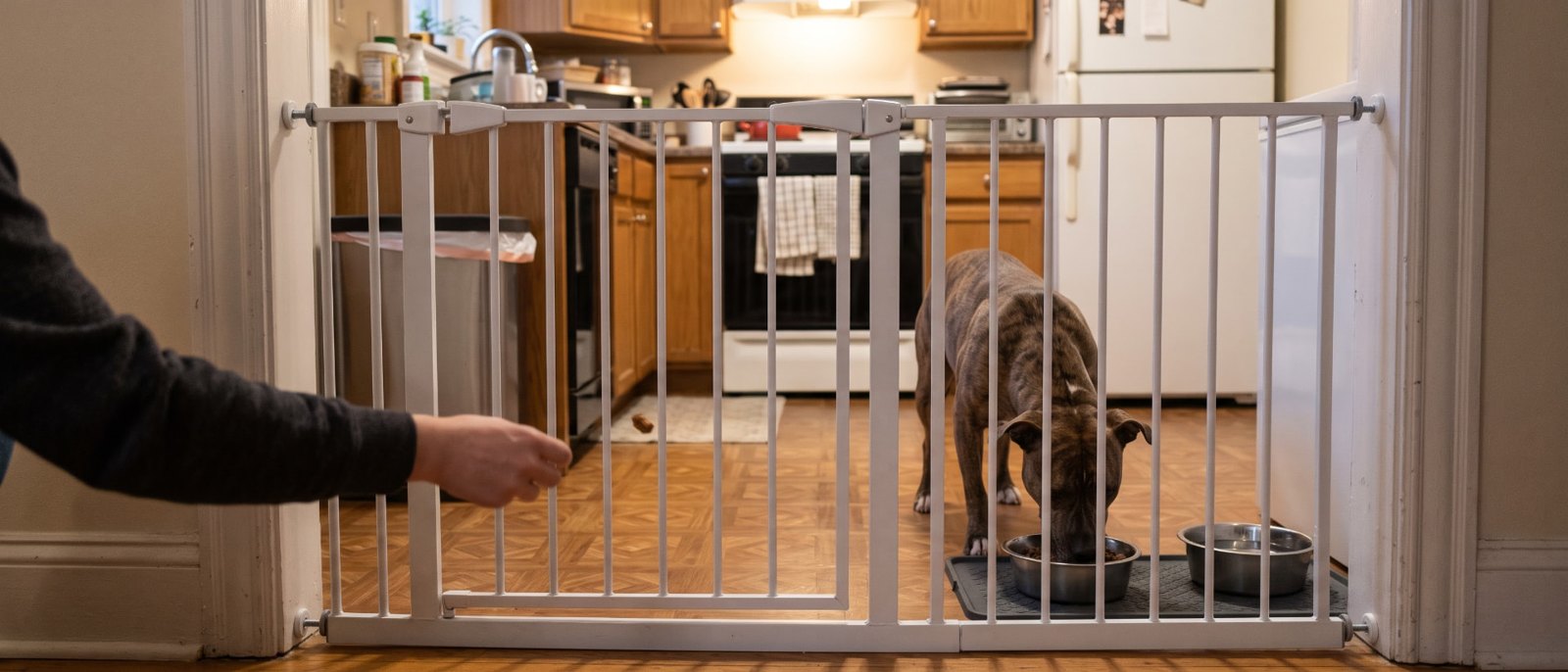
If it's bounce, put baby gates and a crate on the shopping list before pickup day. If it's a bite, listen to the shelter and keep looking.
Is a Shelter Dog Labeled a "Resource Guarder" Safe to Adopt?
Resource guarding means a dog stiffens, growls or snaps to protect a bowl, a chew, a toy or a couch spot. My couch spot isn't negotiable either.
This label used to sink a lot of dogs. A survey of U.S. shelters found food aggression was the top reason a dog got called unadoptable, and only about 1 in 3 shelters tried to work on it.
Then researchers followed the dogs home. A National Canine Research Council roundup of 2 food guarding studies lays it out. In a 2013 study at the Animal Rescue League of Boston, 55% of dogs flagged for food aggression still showed it at home. Nearly half didn't, and about 22% of dogs who tested fine showed it later.
A Wisconsin study from 2004 to 2006 sent 96 food guarding dogs home. Within 3 days, most adopters could pick up the bowl while the dog ate. By 3 months, they reported no guarding at all, except 1 dog with a rawhide.
A dog who guards dinner in a building where dinner feels uncertain isn't crazy. He's practical.
My question for staff is always the same. "What does he guard, from who, and what happens when you trade him something better?"
At home, keep it simple. Feed in a crate or a separate room, pick up the really good chews and never test the dog by sticking your hand in the bowl.
More Shelter Dog Labels in Plain English
Not every label needs a whole section. Here's the rest of the card.
"High Energy" Means Under-Walked
Usually a young adult who's spent 3 weeks in a 4-by-10 run. Of course he's bouncing. Most need a daily sniff walk, a puzzle feeder and a job, not a marathon runner for an owner.
"Shy" Means Give Time
Shy dogs hang in the back of the run. Plenty warm up in days once they're out of the noise, so ask how she acts with the volunteer who walks her most.
"Leash Reactive" Means Context Matters
These dogs bark or lunge at certain things on a leash. Ask what sets the dog off: dogs, bikes, men in hats. A dog reactive to dogs but great with people is a very different dog than the reverse.
"Not Housetrained" Means Unknown
Usually nobody knows, since a kennel isn't a house. Plenty of these dogs figure it out within a week on a strict potty schedule.
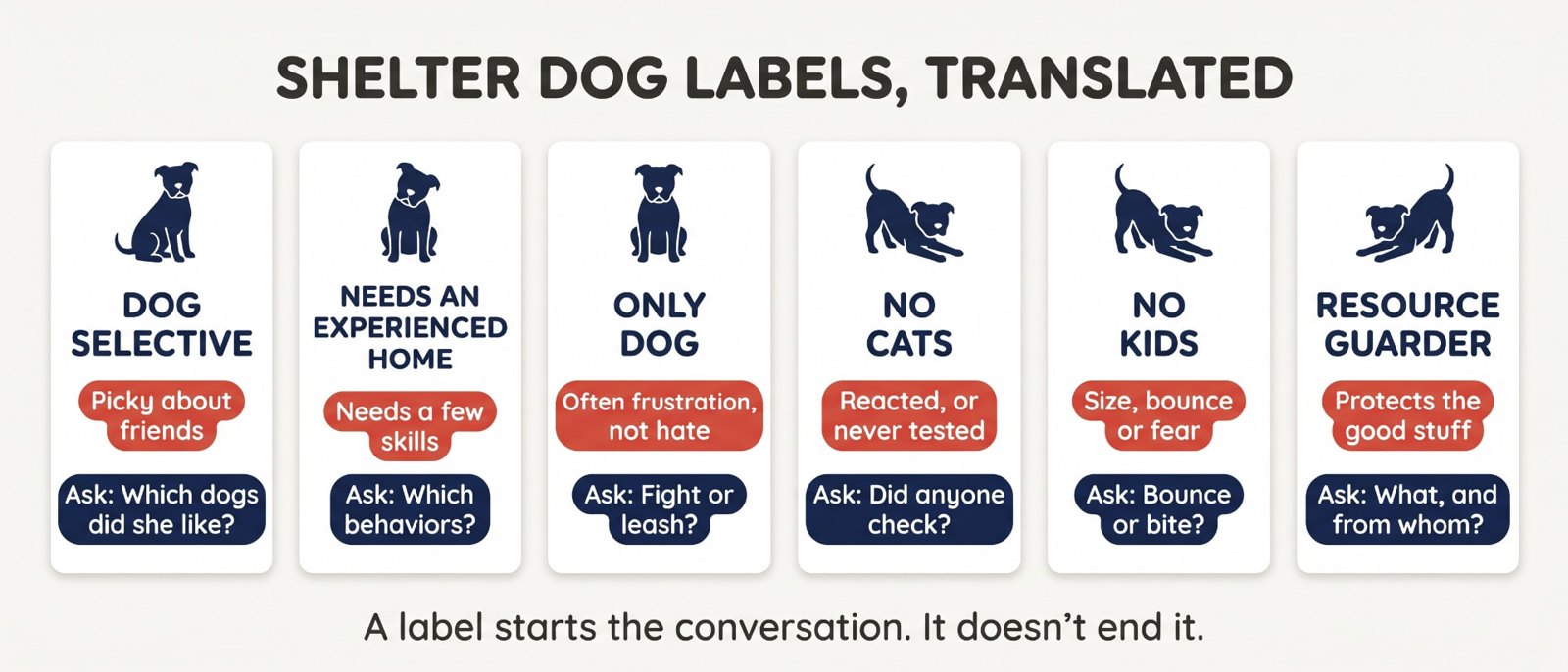
| Label | What Staff Usually Mean | What It Doesn't Mean | Ask This |
|---|---|---|---|
| Dog selective | Gets along with some dogs, not every dog | Dog aggressive, or unable to live with another dog | Which dogs did she like, and what did they have in common? |
| Needs an experienced home | 1 or 2 behaviors need steady handling | You must be a trainer or have owned lots of dogs | Which behaviors, and what would an experienced person do? |
| Only dog | Staff think the dog does best as the single dog at home | The dog hates all dogs or is unsafe with people | Was it a real fight, leash reactions or never tested? |
| No cats | The dog chased, stared down or reacted hard to a cat | Every label came from a real cat incident | Did the dog react to a cat, or did nobody check? |
| No kids | Size, bounce, fear or a warning from a past home | Always a bite history | Is the label about bounce, or about a bite or growl? |
| Resource guarder | Stiffens, growls or snaps over food, chews or toys | The guarding will carry over to every home | What does the dog guard, from whom, and does trading work? |
| High energy | Needs more daily exercise and brain work | You need to run marathons | How does the dog act after a long sniff walk? |
| Shy | Slow to warm up in a loud kennel building | Fearful forever | How does she act with the volunteer who walks her most? |
| Leash reactive | Barks or lunges at certain things while on a leash | Reactive to everything, everywhere | What sets the dog off: dogs, bikes or people? |
Got a "high energy" dog coming home? Our puzzle feeders and sniff games for a dog with too much gas in the tank burn energy without wrecking your knees.
What Should You Ask Before Ruling Out a Labeled Shelter Dog?
Labels get written on a dog's worst days. Intake day is loud, scary and full of strangers poking at you, and a note from that day can follow a dog for months.
Meanwhile the dog sleeps, learns the routine and makes a volunteer friend. Nobody updates the card, because the building is short-staffed, not lazy.
So ask for the newer story. Here's my list, in order.
- Where did this label come from: intake notes, a past owner, a playgroup or 1 bad moment?
- When was it written, and has anyone checked again since?
- What actually happened? Ask for the story, not the summary.
- Who knows this dog best, and can I talk to that person?
- What would a good home for this dog look like, in your words?
- Can we meet somewhere quieter than the kennel row, or set up a meet with my dog?
Number 4 is the cheat code. The volunteers who run adoption showings know who snores and who steals socks.
Still unsure? Ask about a foster stay or a day trip first. A few nights on a couch can rewrite a label faster than anything I do in a yard. Once the dog's home, read up on how long a new dog takes to settle, since some labeled behavior pops back up around week 3.
Breed tags are their own mess, and I've covered guessing a dog's breed from across the room already. Same rule for the overlooked dogs I'd take home first: read the card, then meet the dog.
Read the Card, Then Ask a Human
Next time a label makes you keep walking, stop and ask 1 question instead. Then grab the Let Them Be Dog guides for meeting and bringing home a shelter dog before pickup day.
Common questions
What is the difference between dog selective and dog reactive?
A dog selective shelter dog gets along with some dogs, while a dog reactive shelter dog barks, lunges or growls at other dogs, often on leash. A dog reactive dog can still have dog friends off leash. A dog selective dog can be calm on walks and still turn down rough playmates. Shelter staff can say which label fits a specific dog and what sets the behavior off.
Can a shelter dog labeled "no cats" ever live with a cat?
A shelter dog labeled "no cats" can sometimes live with a cat when the label came from a guess rather than a real incident. A dog who stared hard at, chased or grabbed at a cat should not go home with a cat. A dog who was never tested may need a slow, staff-guided introduction. Adopters with cats should ask how the "no cats" label was decided.
What does "rescue only" mean on a shelter dog's profile?
A "rescue only" label on a shelter dog's profile means the shelter will release the dog only to a partner rescue group, not directly to the public. Shelters use rescue only status for dogs with medical, behavior or handling needs that call for extra support. Interested adopters can ask which rescue groups work with the shelter and apply through one of those groups.
Are shelter behavior evaluations accurate?
Shelter behavior evaluations are a limited predictor of how a dog will act in a home. A 2016 Journal of Veterinary Behavior paper by Gary Patronek and Janis Bradley argued a positive test is often a false alarm. Shelter stress can trigger behavior that fades after adoption. Notes from playgroups, foster homes and regular volunteers add context a single test misses.
What does "high energy" mean on a shelter dog's profile?
A "high energy" label on a shelter dog's profile usually means the dog needs more daily exercise and mental work than an average adult dog. Many high energy shelter dogs are young adults who have spent weeks in a small kennel. Daily sniff walks, puzzle feeders and short training sessions help a high energy dog settle in the first months home.
Do shelter dog labels ever change?
Shelter dog labels can change as staff and volunteers learn more about a dog over weeks in the shelter or in foster care. An intake label may reflect a dog's first scared day in the building. Playgroup results, foster notes and new meetings can remove or soften a label. Adopters can ask when a shelter dog's label was last reviewed and by whom.
About the Author
I’m Jeff Molitor and I adopted my first dog at 39 (Cooper Wonder) and have volunteered with Chicago shelter dogs since 2017, first at The Anti-Cruelty Society and now at Chicago Animal Care and Control. I help with dog handling, agility, adoption showings and support, photography and marketing. I love all dogs, but I gravitate toward momma dogs, seniors, black pibbles and the ones with cropped ears. Basically whoever’s been overlooked the longest. Jeff is dad to Oscar Wonder (pibble) and Gary Wonder (our cat).
This article shares what we have learned from our own experience. It is not medical advice, and we are not veterinarians. If you have any concerns about your dog's health, please check with your vet.